
Traumatic Scar Treatment.
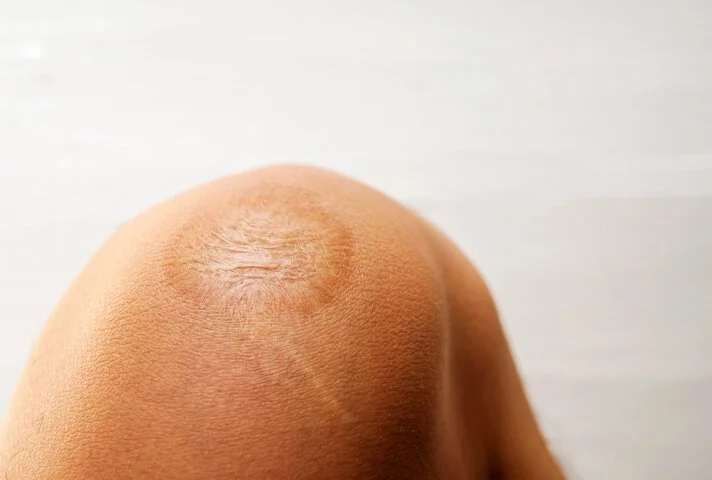
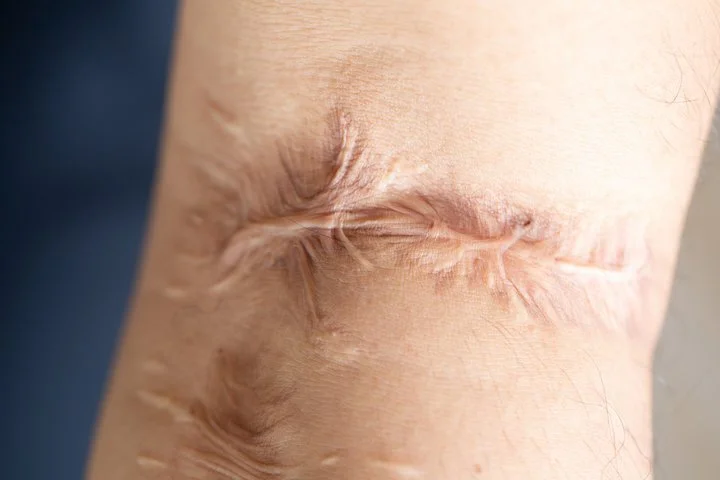
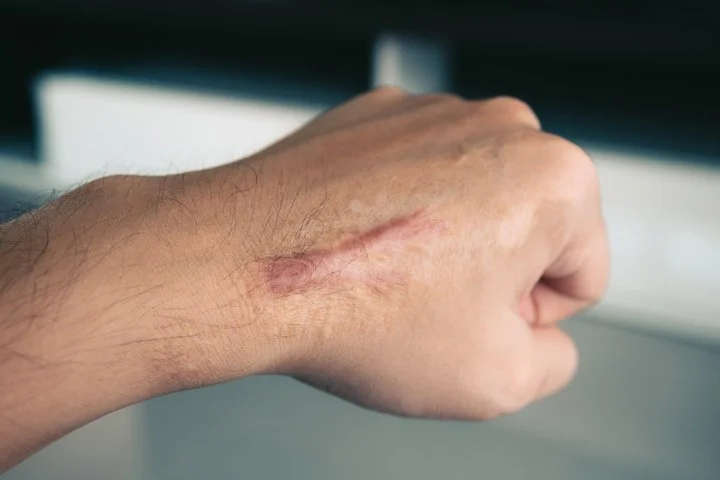
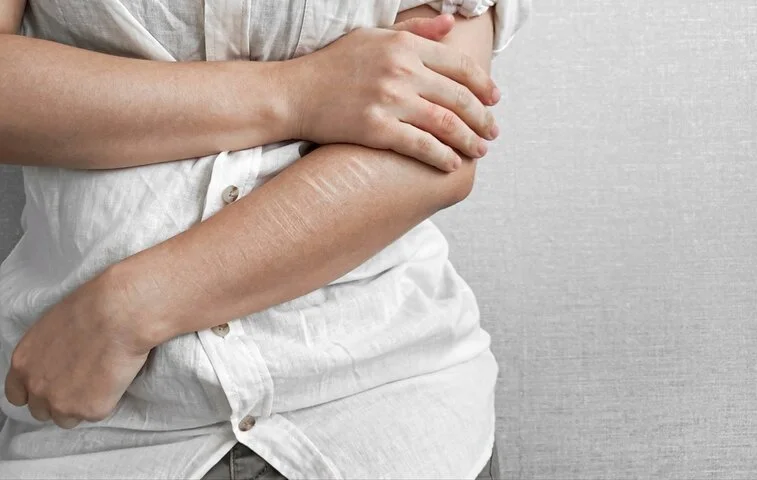
Traumatic scars can develop following accidents, burns, abrasions, cuts, falls or injuries requiring stitches. Because these injuries can involve different depths and layers of tissue, the resulting scars can vary considerably in their appearance and behaviour.
A traumatic scar may remain red, raised, indented, puckered, firm or uneven in texture. Some scars may also develop areas of altered pigmentation, while deeper injuries can leave tethering or irregularity where the scar tissue has formed differently from the surrounding skin.
Every Traumatic Scar Is Different
Unlike a planned surgical incision, traumatic injuries are often irregular and may involve crushing, tearing, contamination or loss of tissue. The way the wound was initially managed - along with infection, inflammation, wound tension, skin type and your individual healing response - can all influence the final scar. This is why traumatic scars are assessed individually rather than treated using a standard protocol.
Non-ablative fractional laser treatment may be used to create controlled stimulation within the skin, encouraging a progressive remodelling response. More intensive treatment is not necessarily better — settings and treatment intervals are selected according to the scar and how your skin responds.
Supportive LED light therapy may also be incorporated where appropriate to support recovery and help manage post-treatment inflammation.
There is no one-size-fits-all approach to traumatic scars.
The injury, the healing process and the scar you have today all matter. The goal isn’t to erase the scar. It’s to help the tissue become softer, smoother and more settled over time.
Depending on the characteristics of the scar, treatment may focus on:
improving uneven or irregular texture
softening areas of thickened or firm scar tissue
supporting collagen remodelling
reducing persistent redness where appropriate
improving areas of pigment difference
helping the scar blend more naturally with the surrounding skin
When Can Treatment Begin?
Timing matters, particularly following a recent injury. A scar continues to change for many months as collagen is produced, reorganised and remodelled. In some circumstances, early scar management may be beneficial, but laser treatment should only commence once the wound has healed sufficiently and it is clinically appropriate to do so.
Recent injuries, complicated wounds, burns or scars following significant trauma may require medical clearance before treatment begins.
During your consultation, I will assess the age and characteristics of the scar, your medical and healing history, skin type and any previous treatments before recommending whether treatment should begin now or whether allowing more time for healing is the safer option.
What Can I Expect?
Scar remodelling is gradual. The aim is not to completely remove the scar, but to help it become softer, smoother, less noticeable and better integrated with the surrounding skin where possible.
Some scars respond more readily than others, and multiple treatments are usually required. Your treatment plan is reviewed progressively according to how the scar responds rather than following a one-size-fits-all treatment schedule.