
Pigment Conditions.
Pigmentation concerns can develop for many different reasons and may behave differently depending on the underlying cause. Treatment suitability depends on the type of pigmentation, skin tone, inflammation history, hormonal influences, sun exposure and pigmentation depth.
Conditions that may be suitable for assessment include:
freckles (ephelides)
solar lentigines (sun spots or age spots)
post-inflammatory pigmentation (PIH)
selected benign pigment changes
carefully selected melasma presentations.
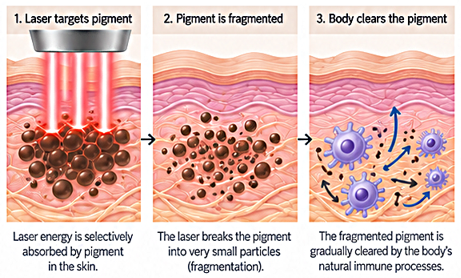
What appears to be a simple brown spot may represent superficial pigment, deeper pigment, pigment produced following inflammation, or a more complex pigmentary condition. This is why identifying the likely type and behaviour of the pigmentation is an important first step before considering laser treatment.
At Piko Laser Clinic, pigment treatment is approached conservatively. The aim is not simply to target anything that appears darker than the surrounding skin, but to determine whether laser treatment is appropriate, safe and likely to provide a worthwhile benefit.
Clearer, more even-looking skin starts with understanding the pigment.
Treatment is tailored to the type, depth and distribution of pigmentation, as well as your individual skin characteristics.
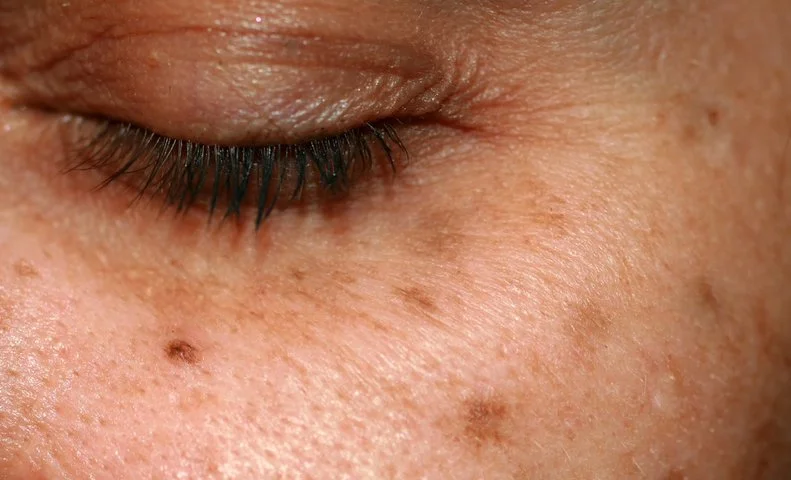
Solar Lentigines — Sun or Age Spots
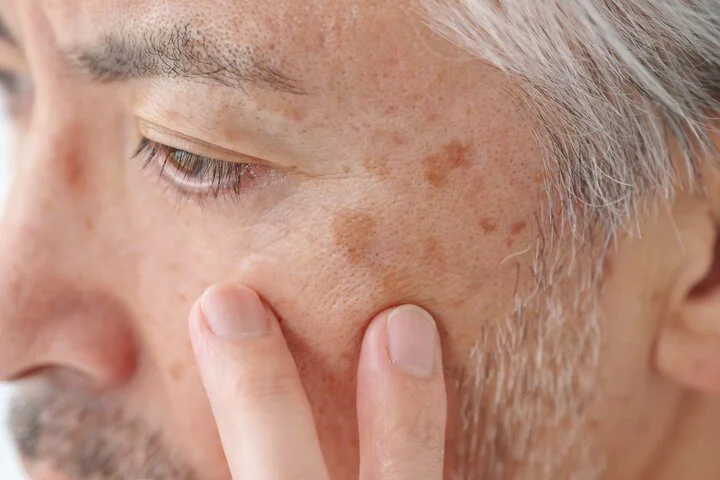
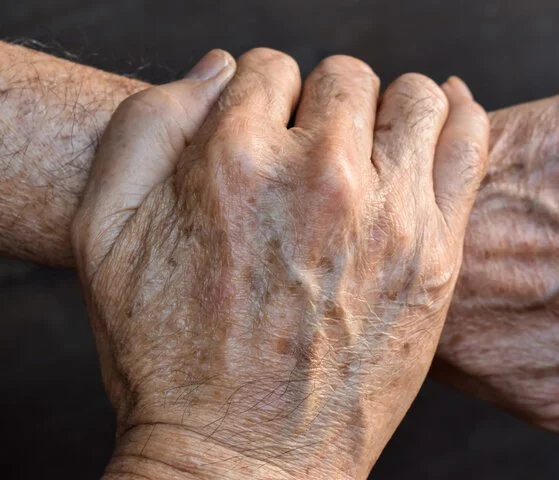
Solar lentigines are well-defined areas of pigmentation associated with cumulative sun exposure. They commonly occur on areas such as the face, hands, arms and décolletage. Selected benign lentigines may be suitable for laser treatment following appropriate assessment.
Freckles — Ephelides
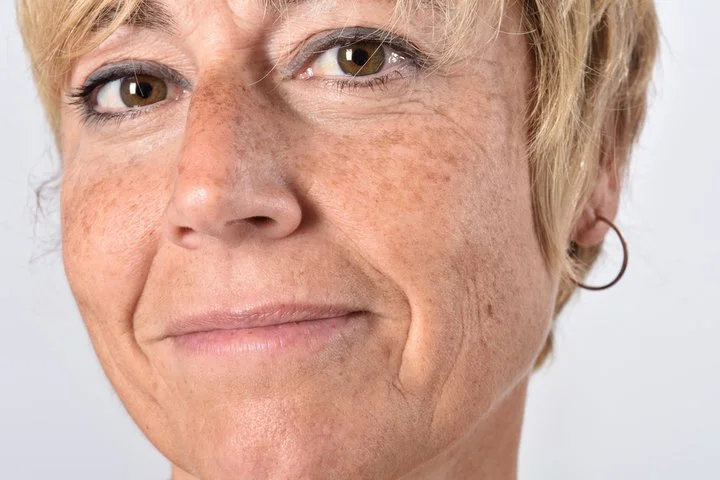
Freckles are small areas of increased pigmentation that commonly develop on sun-exposed skin and often become more noticeable following UV exposure. Suitable freckles may respond well to pigment-targeting laser treatment; however, new pigmentation can develop over time, particularly with continued sun exposure.
Post-Inflammatory Hyperpigmentation — PIH
Post-inflammatory hyperpigmentation occurs when increased pigment remains after inflammation or injury to the skin. It may follow acne, trauma, irritation or other inflammatory processes.
PIH requires particular care because further inflammation can sometimes stimulate additional pigmentation. Treatment therefore depends on the cause, depth and stability of the pigment as well as your individual skin type.
Other Benign Pigment Changes
Some other localised benign pigment changes may also be suitable for treatment.
However, not every pigmented lesion should be treated with a laser. If a lesion is new, changing, irregular or cannot be confidently identified as appropriate for cosmetic laser treatment, medical assessment will be required before treatment is considered.
Important Considerations About Melasma.
Melasma is a complex pigment condition influenced by hormones, heat, inflammation, and sun exposure. Laser treatment is not appropriate for every case and may sometimes worsen pigmentation if performed aggressively. For this reason, melasma is approached cautiously, conservatively, and only in carefully selected patients where appropriate.
GP Skin Check Requirement (WA Compliance)
In accordance with Western Australian Radiological Council requirements, all patients must undergo a GP skin assessment prior to commencing laser treatment. This ensures pigmentation changes receive appropriate medical review, and any suspicious lesions are identified. This is done to protect your long-term skin health — not to delay treatment unnecessarily. A GP skin check template can be provided during your initial consultation.