
Scalp Micropigmentation Tattoo Removal.
When your scalp micropigmentation (SMP) no longer looks the way you want it to.
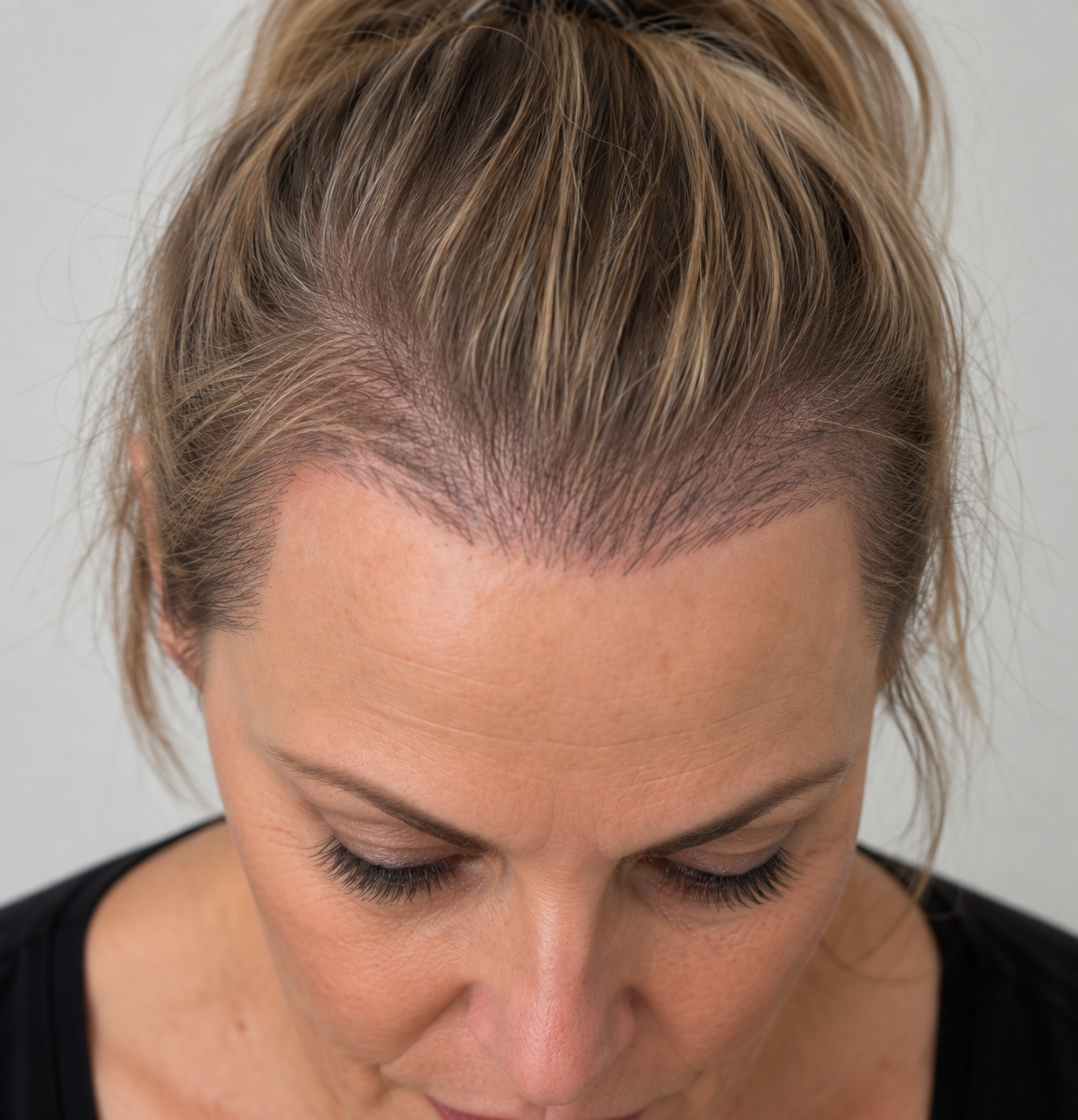
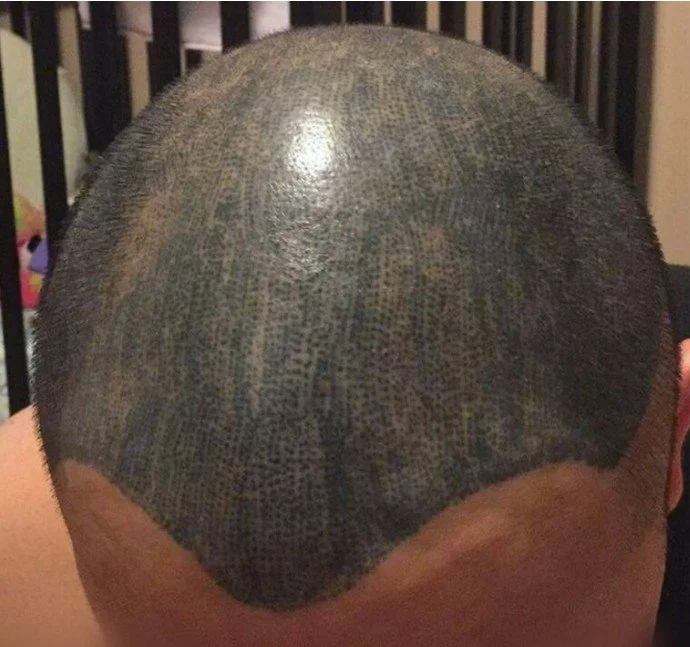
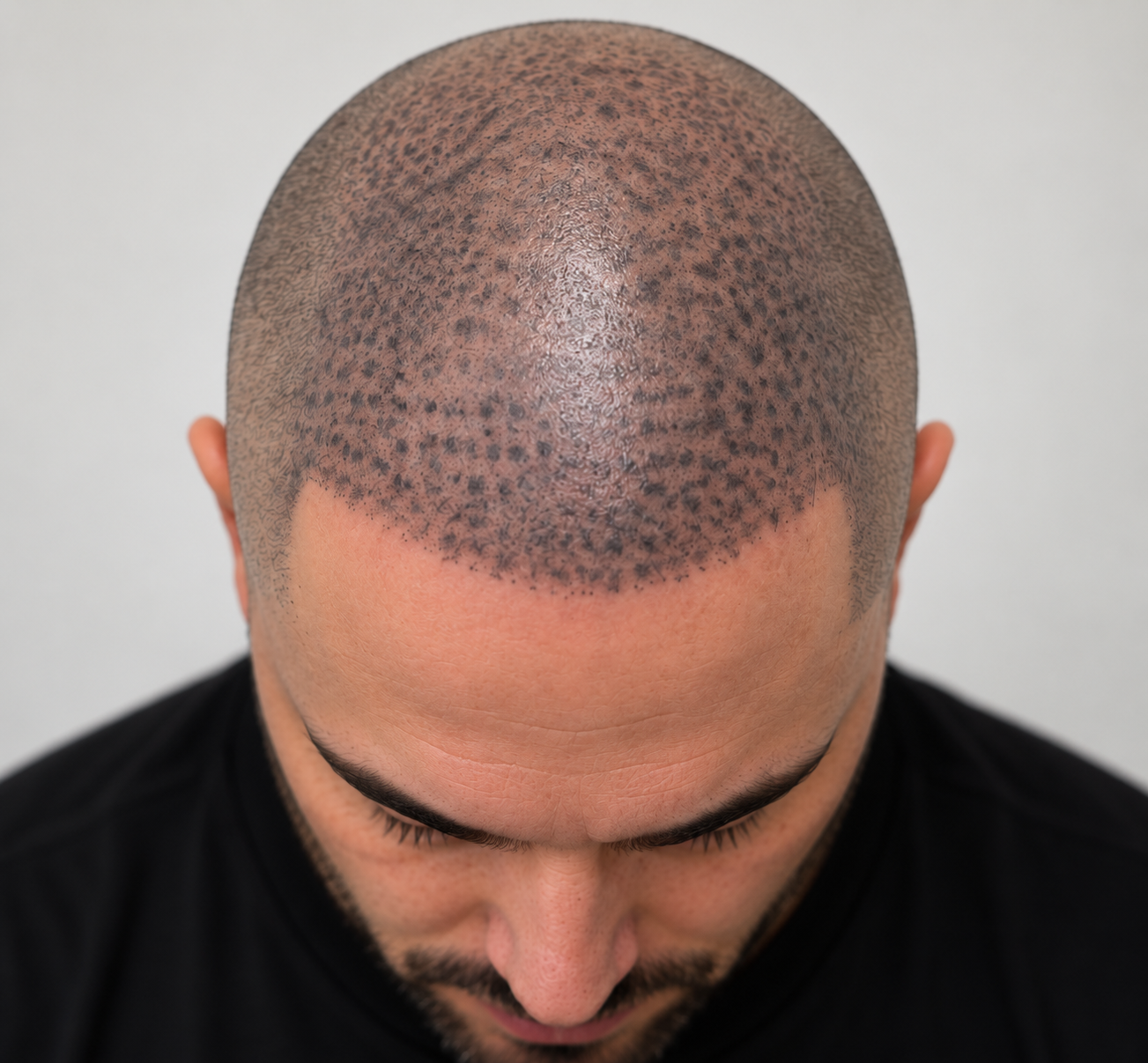
Scalp micropigmentation (SMP) can create the appearance of greater hair density or a closely shaved hairline, but like any cosmetic tattoo, the result can change over time. Pigment may fade unevenly, become blurred, change tone or appear more obvious as your natural hairline and hair density change. Sometimes the SMP itself hasn't changed - you have. A hairline or style that suited you several years ago may simply no longer be what you want.
Laser treatment can be used to fully remove SMP or selectively fade it, depending on what you are trying to achieve. Some people want a clean slate, while others simply need an overly dark or dense area softened before having their SMP revised.
How is SMP different from other cosmetic tattoos?
SMP is created by placing very small deposits of pigment into the scalp to mimic the appearance of individual hair follicles or provide the impression of increased density. Many SMP pigments are predominantly carbon-based and therefore often respond well to the 1064 nm wavelength used for darker tattoo pigments.
However, not every SMP treatment uses the same pigment, technique or depth. Multiple previous treatments, pigment density, layering, colour additives, scar tissue and the depth at which pigment was implanted can all influence how readily it fades.
This is why we assess the scalp and existing SMP before deciding how it should be treated rather than simply applying the same laser settings to every patient.
Complete removal or simply soften the result
SMP removal doesn't have to be all or nothing. Laser can be used to address an unwanted hairline, soften areas that look too dark or dense, remove pigment that has migrated or blurred, or progressively clear the scalp before new SMP is undertaken.
The number of treatments required varies considerably. Pigment colour, density, depth, the number of SMP sessions previously performed, and your individual immune response all influence clearance. Treatments are spaced to allow the scalp to heal and, importantly, to give the immune system time to continue clearing pigment between sessions.
Protecting the scalp and existing hair
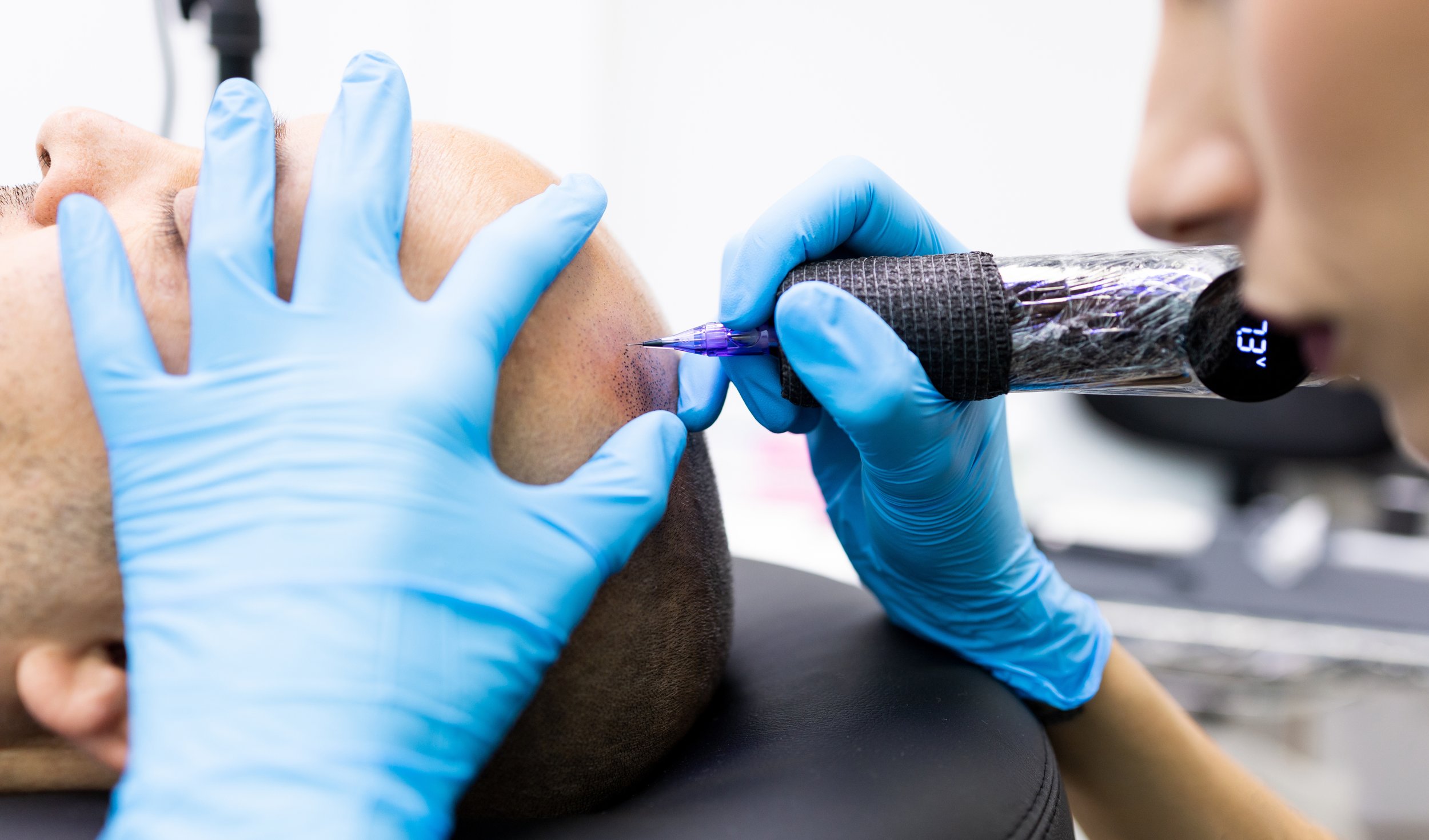
Using the Quanta Discovery Pico, we can select the laser wavelength and pulse characteristics according to the pigment and your individual skin response. Very short laser pulses target the tattoo pigment, breaking it into smaller fragments that your body's immune system can gradually process and clear.
Importantly, the target in SMP removal is the tattoo pigment - not the hair follicle. Tattoo-removal laser parameters are very different from those used for laser hair removal. Existing hair is considered carefully when planning treatment, particularly when SMP has been used between areas of thinning natural hair.
The Zimmer Cryo 7 is also used before, during and after treatment to provide controlled cold-air cooling. This improves comfort and helps manage the immediate heat, redness and swelling associated with treatment.
SMP, hair thinning and your longer-term plan
For people experiencing hair thinning, the bigger question may be why the SMP no longer looks right. Natural hair density and hairlines can change over time, and this may alter the relationship between your real hair and previously tattooed follicles.
Because Piko Laser Clinic also offers nurse-led hair regeneration assessment and treatment, we can look at the scalp more broadly rather than viewing the tattoo in isolation. Where appropriate, we can discuss whether your priority is SMP removal or fading, assessment of the underlying hair thinning, or a staged approach involving both.
Hair loss itself should not simply be assumed to be cosmetic. Where the pattern or history suggests an underlying medical cause, we may recommend assessment by your GP or another appropriate health professional before proceeding with a hair regeneration treatment plan.
The aim is to create a result that works with your scalp, your natural hair and where you want to go next — rather than simply removing pigment because it is there.