
Our Laser Hair Regeneration Services.
Stimulate growth. Restore confidence.
Early hair thinning or hairline recession can feel confronting — but not all hair loss needs aggressive or medical intervention. Piko Laser Clinic offers nurse-led fractional laser treatments designed to support scalp health and follicular activity in suitable patients.
This is a conservative, evidence-informed approach focused on supporting your hair over time, not promising unrealistic results. Depending on the cause and stage of hair loss, treatment may help improve hair density, support regrowth from follicles that remain viable, and reduce excessive shedding.
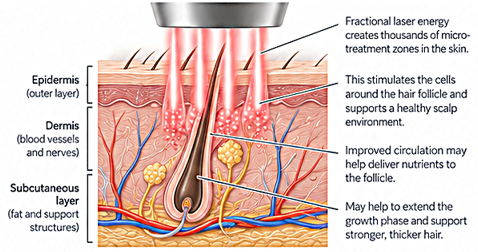
Laser hair regrowth treatment is designed to wake up and support hair follicles that are still present but have become weaker or less active. The laser delivers tiny, controlled areas of energy into the scalp, which triggers the body’s natural repair response including increased production of growth factors, increased blood flow and collagen remodelling. This can help create a healthier environment around the hair follicles and encourage them to produce stronger, healthier hair.
At Piko Laser Clinic, we combine laser treatment with LED light therapy to further support scalp health, circulation and recovery. The treatment cannot create new hair follicles or restore follicles that are no longer active, which is why starting treatment earlier can be important. Hair growth is naturally slow, so results develop gradually over several months rather than overnight. Our focus is on supporting the hair you still have, improving follicle function and giving your hair the best opportunity to grow.
Earlier intervention matters.
Supporting follicles while they are still active may offer greater opportunity for improvement.
Hair regeneration isn’t about promising a full head of new hair. It’s about supporting viable follicles, improving density and helping existing hair perform at its best.
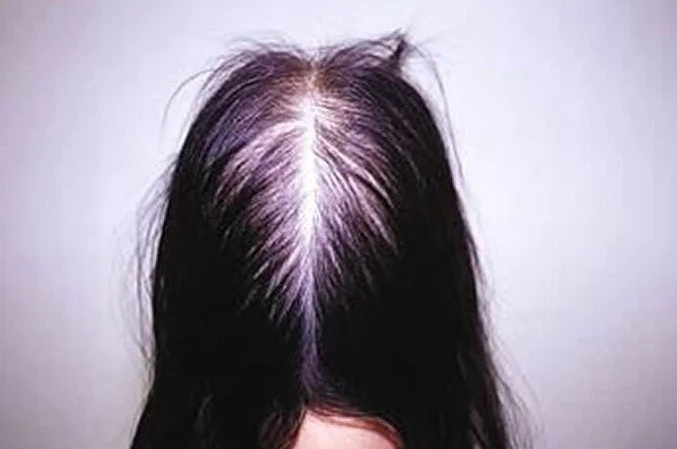
Are you a candidate for laser hair regeneration?
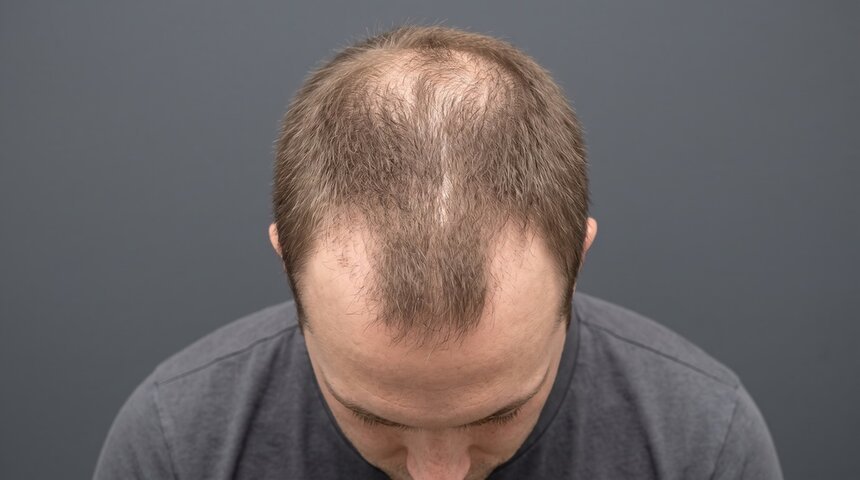
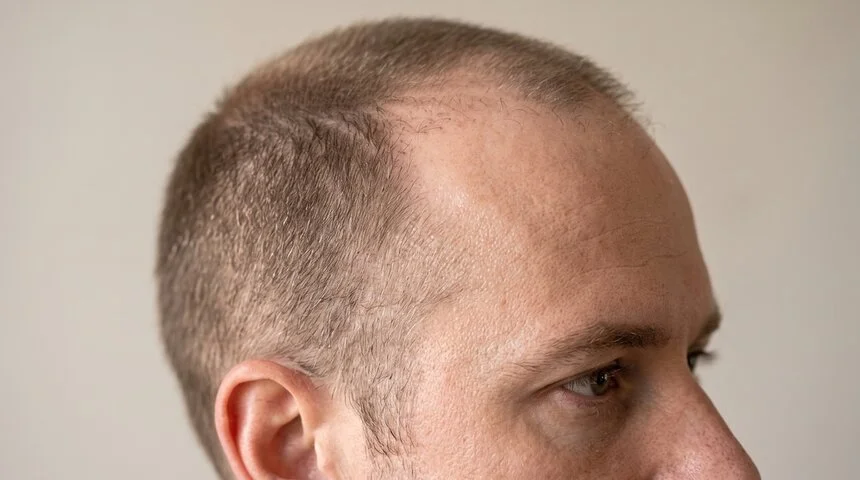
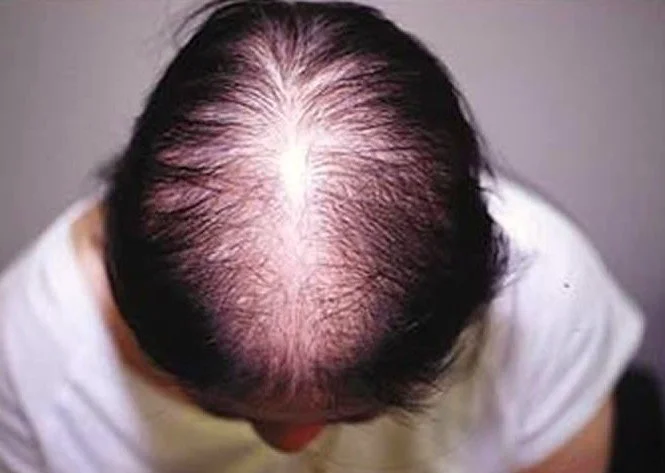
Laser hair regrowth treatment may be suitable if you are noticing early thinning, reduced hair density, a widening part, thinning around the crown or hairline, or a gradual change in the thickness and quality of your hair. It is generally most useful when hair follicles are still present but have become weaker or less active. This is why seeking advice earlier in the hair-thinning process can be beneficial rather than waiting until significant hair loss has occurred.
Not all hair loss should be treated with laser. Sudden or unexplained shedding, patchy hair loss, scalp inflammation or hair loss associated with an underlying medical condition may require further investigation first. Factors such as iron levels, thyroid function, hormones, medications, nutritional status, illness and stress can all affect hair growth. Where appropriate, I may recommend seeing your GP or dermatologist before commencing treatment.
Laser and light-based treatments may also have a role after hair transplantation, once the scalp has healed sufficiently and treatment has been cleared by the transplant surgeon. Laser and LED therapy has been studied for its potential to support tissue healing, reduce inflammation and improve the environment around newly transplanted follicles. At Piko Laser Clinic, any post-transplant treatment is approached conservatively and timed appropriately to support scalp recovery and the ongoing health of both transplanted and existing hair follicles once the grafts are secure.
Healing and expectations.
Fractional laser hair regeneration is a gentle, non-ablative treatment with minimal downtime. The scalp may feel warm or mildly sensitive and can appear slightly pink immediately afterwards, but this generally settles quickly. Most people can return to their usual activities straight away, with only simple scalp care recommended following treatment.
Your progress will be assessed throughout the six-month treatment period. Early changes may be subtle with more noticeable changes developing gradually over several months. At approximately six months, a more formal reassessment will be undertaken. This gives us an opportunity to compare your progress with your baseline assessment; evaluate how well you have responded and decide what comes next. Depending on your results, this may include moving to a less frequent maintenance program, continuing active treatment for longer, modifying the treatment approach or discussing whether another treatment pathway would be more appropriate.
Our approach is to be realistic from the beginning. It is important to understand that laser hair regeneration cannot create new follicles where they have been permanently lost, and results will vary between individuals. One of the biggest causes of disappointment in hair restoration is unrealistic timing expectations. Hair regeneration is generally a gradual process requiring consistency and patience. Meaningful change usually takes months, not weeks.
Treatment approach.
Every hair regeneration journey starts with a thorough consultation and scalp assessment. We will look at the pattern and extent of your hair thinning, scalp health, medical history, medications and any factors that may be contributing to hair loss. Where the cause of hair loss is unclear, or there are signs that further investigation is needed, we may recommend seeing your GP or dermatologist before commencing treatment. Getting the diagnosis right is more important than simply starting treatment.
If laser hair regeneration is appropriate, we will develop an individual treatment plan based on your hair loss, follicle health and treatment goals. For most patients, the initial treatment program will involve one laser treatment per month for six months, with supportive LED light therapy incorporated where appropriate. Hair grows slowly, so treatment needs to work with the natural hair growth cycle rather than trying to rush the process. For sustained hair regeneration, a maintenance program is usually recommended. This will include follow-up laser treatments scheduled less frequently.