Surgical Scar Treatment.
Surgical scars continue to remodel for many months after healing. During this time, the body is still producing collagen, reorganising tissue, developing blood vessels, regulating inflammation and determining scar thickness and texture.
This remodelling phase is exactly why scars can become redder weeks later or thicken over time. They can tighten or become raised or itchy long after the incision closes.
Early laser treatment aims to influence this remodelling process while the scar is still biologically active. “Early treatment” does not usually mean treating an open wound. It generally refers to treatment after the incision has closed, the skin barrier has re-formed, the sutures or staples are removed and there is no active infection or wound breakdown
Depending on the procedure and surgeon preference, this may range from several weeks post-operatively to several months after surgery. There is no single universal timing rule. Treatment timing depends on the surgical site, wound healing quality, scar tension, patient skin type, any pigmentation risk and history of abnormal scarring.
Some scars benefit from earlier intervention. Others should be left longer before treatment.
Depending on the scar type, laser treatment may help improve redness, thickness, texture, and overall skin appearance.
Treatment may be suitable for:
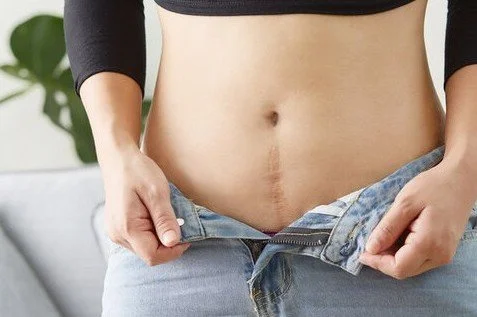
Caesarean scars
Breast cancer surgery & reconstruction scars
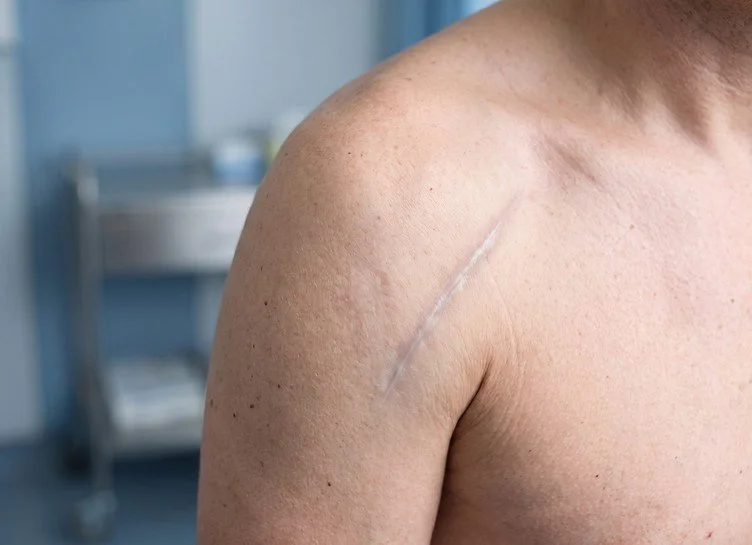
Orthopaedic surgery scars
Skin cancer excision scars
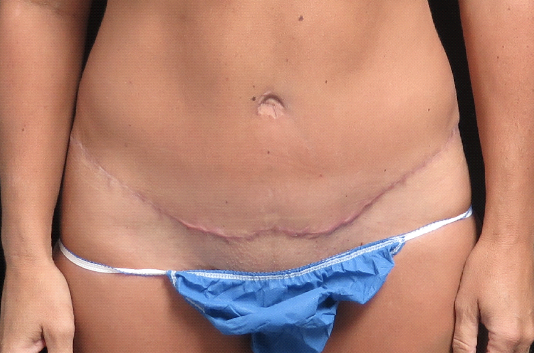
Cosmetic surgery scars & facelift scars
Laparoscopic scars
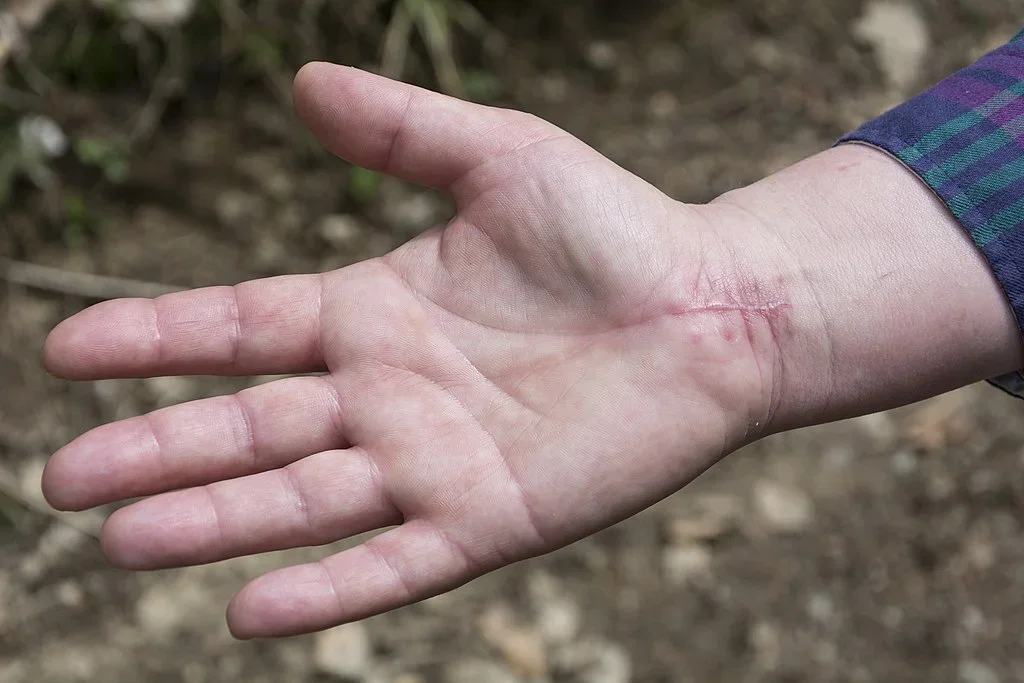
General surgical scars
Gender reassignment surgery scars