
Our Laser Scar Remodelling Services.
Smooth skin. See visible improvement.
At Piko Laser Clinic we offer safe, evidence-based scar remodelling and treatment options using the most advanced world-class pico laser technology.
Laser treatment doesn’t erase scars or fully restore skin to its original pre-injury state. It remodels them using a conservative, staged treatment approach. Laser treatment may help improve redness, pigmentation irregularities, texture, skin smoothness, scar thickness, overall skin quality and assist collagen remodelling. We work with the body’s natural systems to restore your skin’s clarity and integrity; safely, effectively, and without unnecessary trauma.
Laser scar remodelling treatment may be suitable for surgical scars, traumatic scars, stretch marks (striae), and acne or post‑inflammatory scars. In addition, scars that are hypertrophic (thick or raised within the original wound boundary), keloid scars (over‑grown and extending beyond the original injury) and atrophic scars (indented scars where collagen support is reduced) may also be suitable for laser treatment.
Realistic expectations are important. For most clients, the goal is improvement rather than perfection. At Piko, if we believe a different approach - or no treatment at all - is the safer option, we will be honest and upfront. Our focus is always on protecting your skin and aiming for safe, realistic, measurable results.
Treatment plans are tailored to the type of scar, your skin response, and your long-term goals. The focus is not on “perfect” skin, but on safe, measurable improvement while protecting surrounding tissue.
Every scar has a different story and every scar heals differently.
Healing doesn’t stop when the wound closes. Scar tissue can continue to remodel for many months, and laser treatment can support that process.
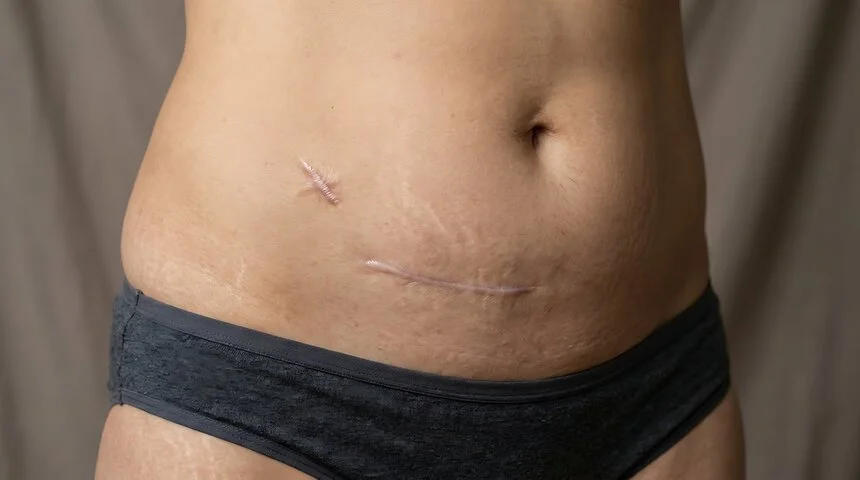
Surgical scars.
Surgical scars – including post‑operative, caesarean, orthopaedic and cancer‑related scars.
Find out more here.
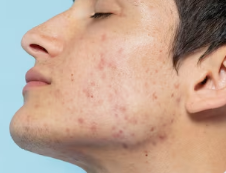
Acne scars.
Acne and post‑inflammatory scarring – including pigment change after injury or inflammation.
Find out more here.
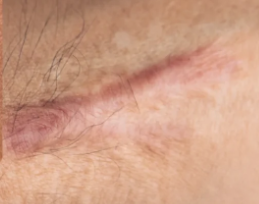
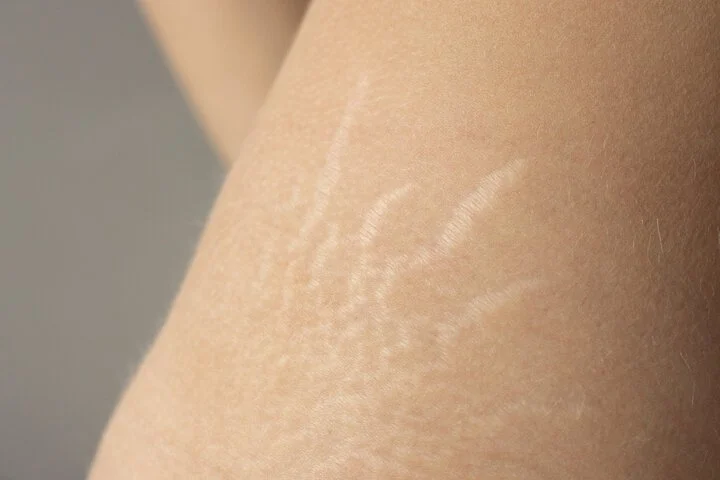
Stretch marks (striae).
Stretch marks (striae) – including growth‑related, pregnancy‑related and weight‑change associated stretch marks.
Find out more here.
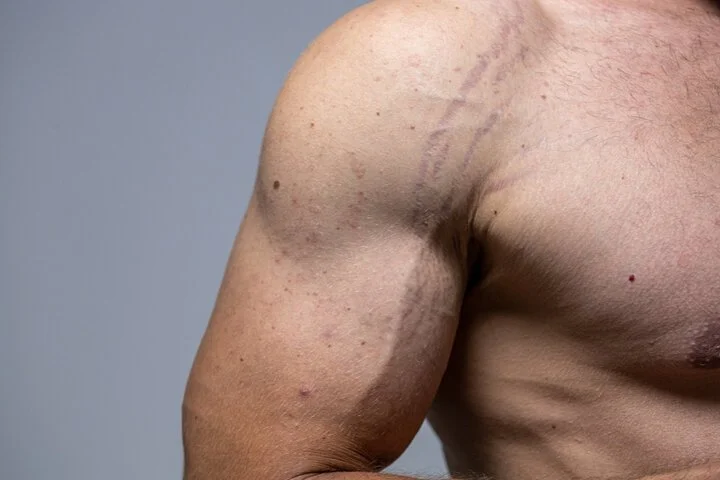
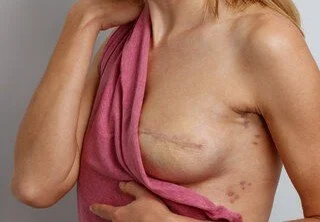
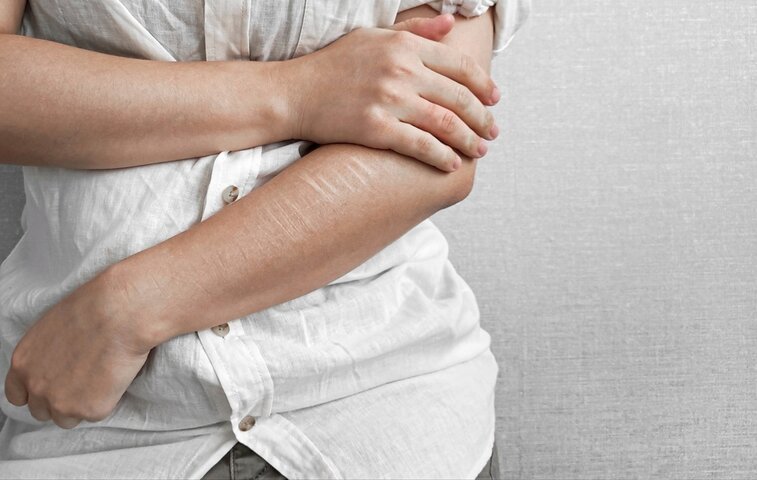
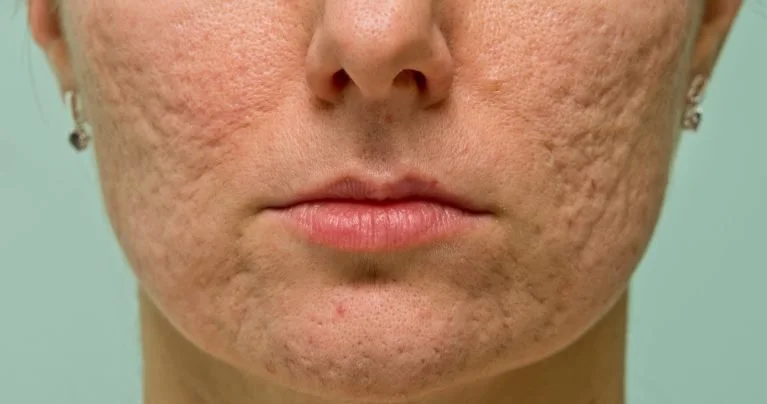
Understanding scar biology.
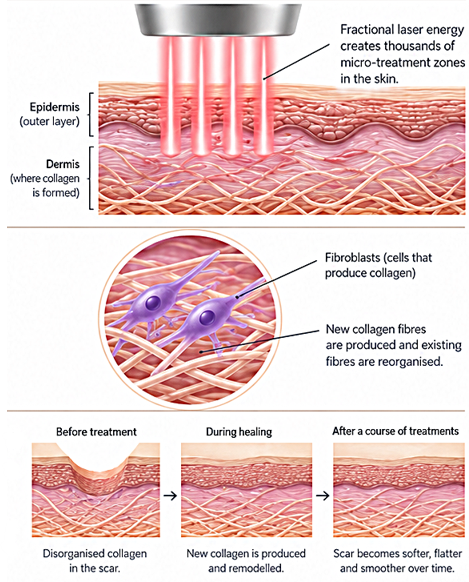
Scars form when the skin repairs itself after injury, inflammation, surgery, acne, burns, or trauma. During healing, the body produces collagen rapidly to close and strengthen damaged tissue. Sometimes this process creates excess or uneven collagen, persistent redness, pigmentation changes, tightened, thickened or tethered skin and/or altered skin texture.
Not all scars behave the same way. Some remain red and active, while others become pale, tight, indented, raised, or sensitive over time. Others may improve more gradually or may require alternative management.
Laser scar treatment may be appropriate for people experiencing any of these conditions. Treatment suitability depends on scar age, scar location, skin type, medical history, current medications, history of abnormal scarring and any previous treatments. Some scars respond very well to laser treatment. Unfortunately some may not. This is why scar remodelling and treatment should never follow a “one protocol fits all” approach.
What laser treatment can (and can’t) do for scars.
Laser treatment doesn’t erase scars or fully restore skin to its original pre-injury state. It remodels them using a conservative, staged treatment approach. Laser treatment may help improve redness, pigmentation irregularities, texture, skin smoothness, scar thickness, overall skin quality and assist collagen remodelling.
We work with the body’s natural systems to restore your skin’s clarity and integrity; safely, effectively, and without unnecessary trauma.
Realistic expectations are important. For most clients, the goal is improvement rather than perfection. At Piko, if we believe a different approach — or no treatment at all — is the safer option, we will be honest and upfront. Our focus is always on protecting your skin and aiming for safe, realistic, measurable results.
Healing.
Scar remodelling is gradual. Some people notice early changes within weeks while collagen remodelling and textural improvement can continue for several months following treatment. Typical timelines vary depending on individual factors, but multiple sessions are commonly required. Treatment intervals are spaced carefully to allow the skin time to heal and remodel safely - usually 4-6 weeks apart.
Early scars (from approx. 6–12 weeks once healed) often respond faster.
Mature scars (months to years old) can still improve but usually take more sessions.
Open wounds or unstable scars are not suitable for laser treatment. Healing comes first.
Start with a consultation and a considered, clinical approach.
We’ll assess your scar, talk through your goals, and map out a realistic plan. We focus on safety, protecting the surrounding skin and allowing adequate time for healing in between sessions. This isn’t a quick fix — but done properly, it gives you better long-term results.
Early assessment may help guide the timing of treatment appropriately.
Treatment approach.
Treatment plans are individualised based on a thorough assessment of your scar type and age, your skin type, tone and sensitivity as well as the level of inflammation, textural changes and pigmentation patterns. Depending on these factors, one or a combination of the following mechanisms may be used:
Collagen stimulation – encourages healthier, more organised collagen
Vascular targeting – reduces redness by treating excess blood vessels
Pigment correction – improves colour mismatch with surrounding skin
Fractional skin stimulation – creates controlled micro‑injury to trigger repair
LED light therapy – supports the healing process
Cooling and skin protection strategies - increases comfort and reduces unnecessary inflammation.
The aim is to soften, flatten, smooth and normalise the scar so it blends better and feels better.