

How Lasers Actually Improve Scars: What the Science Says
If you’ve ever been told that laser scar treatment “erases” scars, let’s clear something up straight away — it doesn’t. What laser treatment can do, when used correctly, is stimulate controlled biological change in the skin that improves texture, colour, pliability and overall scar quality over time.
This article explains how laser scar treatment really works, based on established dermatological science — not marketing hype.
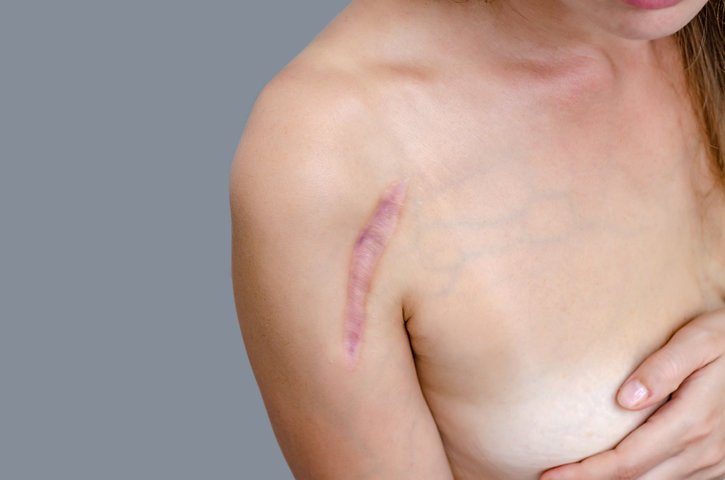
Surgical, Traumatic and Acne Scars: Why One Laser Protocol Doesn’t Fit All
One of the biggest myths in scar treatment is that a scar is a scar — and that the same laser settings will work for everyone. They won’t.
Surgical scars, traumatic scars and acne scars are biologically different, behave differently in the skin, and respond differently to laser treatment. Treating them the same way isn’t just ineffective — it can increase the risk of poor outcomes.
This article explains why scar type matters and how evidence-based laser treatment is tailored accordingly.
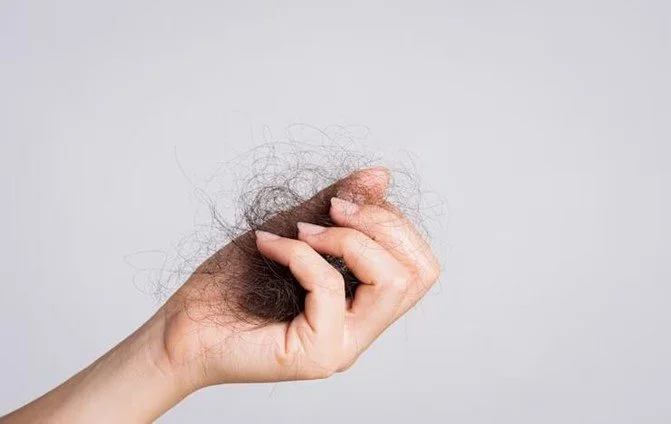
Why Is My Hair Thinning?Understanding the Different Causes of Hair Loss
Noticing more hair in your brush, a widening part line or a gradually receding hairline can be unsettling. Hair plays an important role in how we see ourselves, and changes in its thickness or appearance can affect confidence and wellbeing. Hair thinning and hair loss can happen for many reasons — genetics, hormones, stress, nutritional deficiencies, medical conditions and even inflammation of the scalp. Understanding what's causing the change is the first step towards choosing the right treatment.
But not all hair loss is the same. Some types develop gradually over many years, while others appear quite suddenly. Some are temporary and resolve once an underlying cause is addressed, while others are progressive and benefit from early intervention.
This article delves deeper into the causes of hair loss or thinning.

Can Hair Grow Back? What Laser Hair Regeneration Can and Can’t Do.
One of the most common questions I hear is: "Can my hair actually grow back?" The answer depends on several factors, including the cause of hair loss, how long it has been occurring and whether the affected hair follicles are still functioning. While some types of hair loss are temporary and reversible, others involve progressive changes to the follicles themselves.
Laser and light-based treatments are increasingly being investigated as ways to support follicular activity, but understanding what these treatments can realistically achieve is essential. This articles explores current research supporting laser and light-based therapy for hair regeneration.
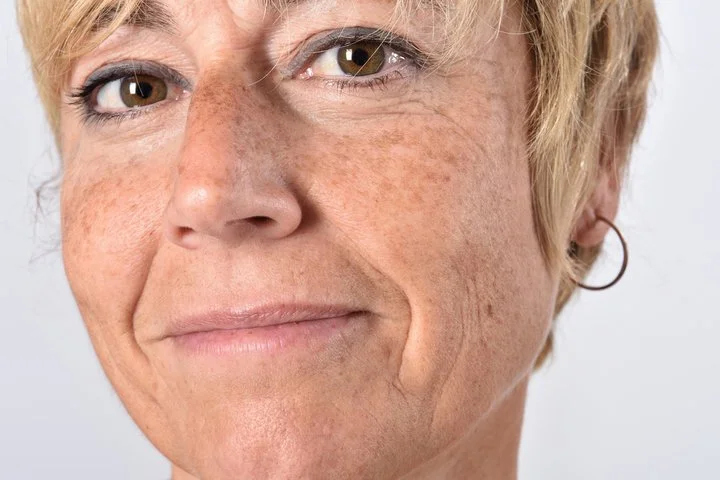
Why Do Brown Spots Appear?Understanding Freckles, Sunspots and Benign Pigmentation
Brown spots are incredibly common, particularly on areas of skin that have seen years of sun exposure. But although freckles, sun spots and other pigmented marks may look similar, they don't necessarily behave in the same way — and not every brown spot is appropriate for laser treatment.
This article explains the difference in the appearance and causes of some common pigment concerns.
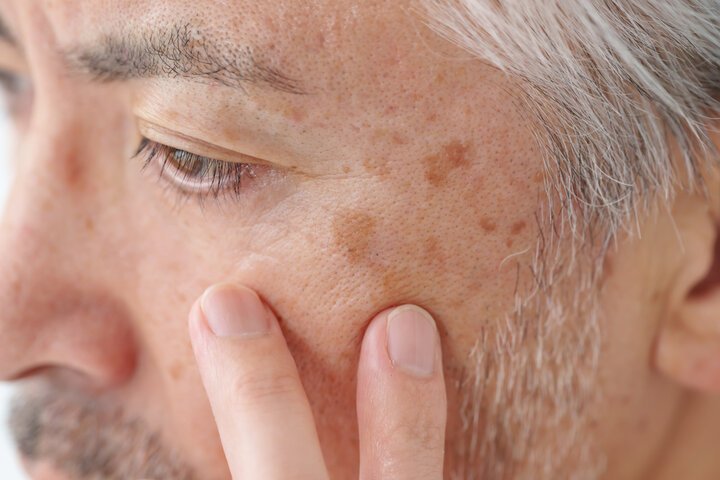
Can Laser Remove Sunspots and Pigmentation? What to Expect from Treatment
Laser treatment can be very effective for certain types of benign pigmentation, including freckles and sunspots. But not all pigmentation responds in the same way, and understanding what happens during treatment — and afterwards — is important for achieving realistic results.

Breaking Down Colour Barriers: How Advanced Lasers Tackle Difficult Tattoo Colours
Not all tattoos fade the same way. If yours includes shades of blue, green, or turquoise, you’ve probably heard they’re the hardest to remove. That used to be true — but thanks to major advances in laser technology, particularly picosecond lasers, even those stubborn colours are now within reach.

Picosecond vs Q-Switched Laser: What’s the Difference and Why Both Matter
If you’re considering laser tattoo removal, you’ve probably come across the terms picosecond and Q-switched lasers. Both are powerful tools for clearing unwanted ink, but they work in slightly different ways—and understanding these differences can help you get the best results.
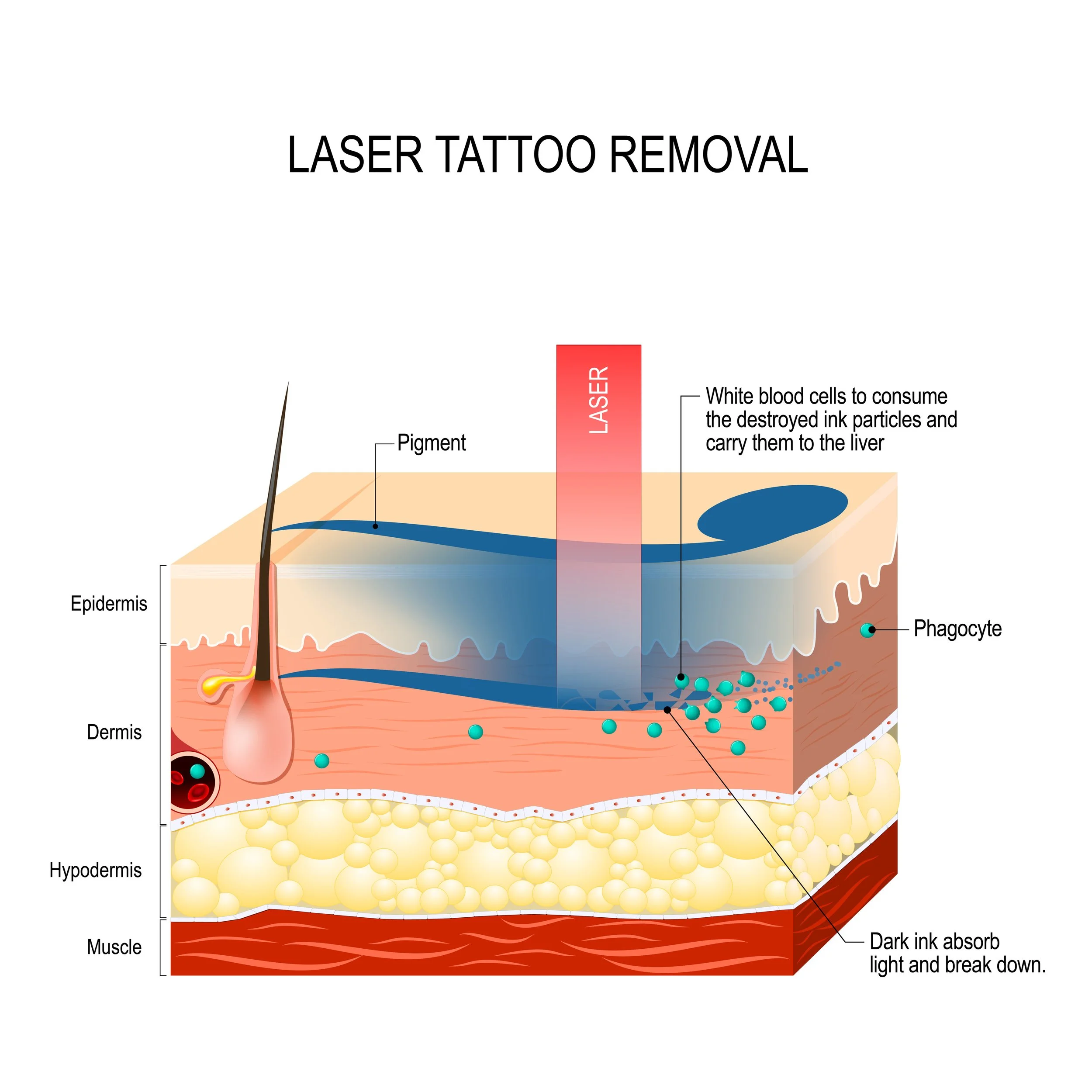
The Science of Ink Clearance: How Your Body Breaks Down Tattoo Pigment After Laser Treatment
“The laser breaks it up — your body clears it out.” Understanding this process helps you see why tattoo removal is a journey, not a one-off session.
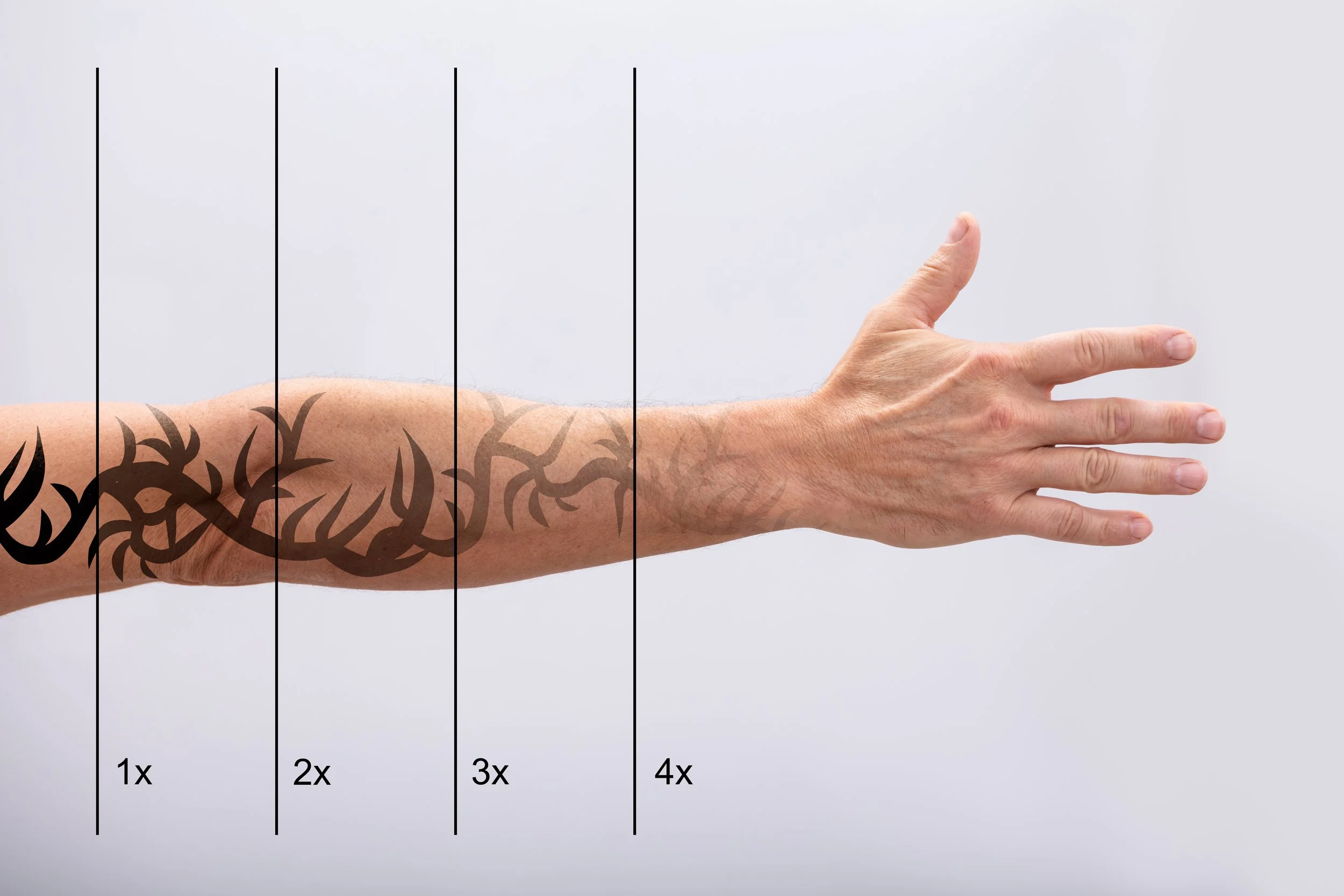
Preparing for Laser Tattoo Removal: What You Need to Know Before Your First Session
Here’s a practical guide on how to prepare, what to expect, and how to keep your skin in its best condition throughout the process.

Post-Treatment Care: Optimising Healing and Protecting Your Skin After Laser Tattoo Removal
Laser tattoo removal is only part of your journey — what you do after each session determines how well your skin heals and how effectively your body clears the ink. This guide walks you through exactly what to expect, how to care for your skin, and how LED light therapy supports faster recovery and smoother results.